Migration, Big Five and beyond · 2026
Serengeti Safari Packages
Serengeti safaris planned and run from Arusha by a TATO-registered Tanzanian team. Pick your month and we'll match the region to it.
- TATO registered
- Based in Arusha
- No fixed group departures
Last updated
What is a Serengeti safari?
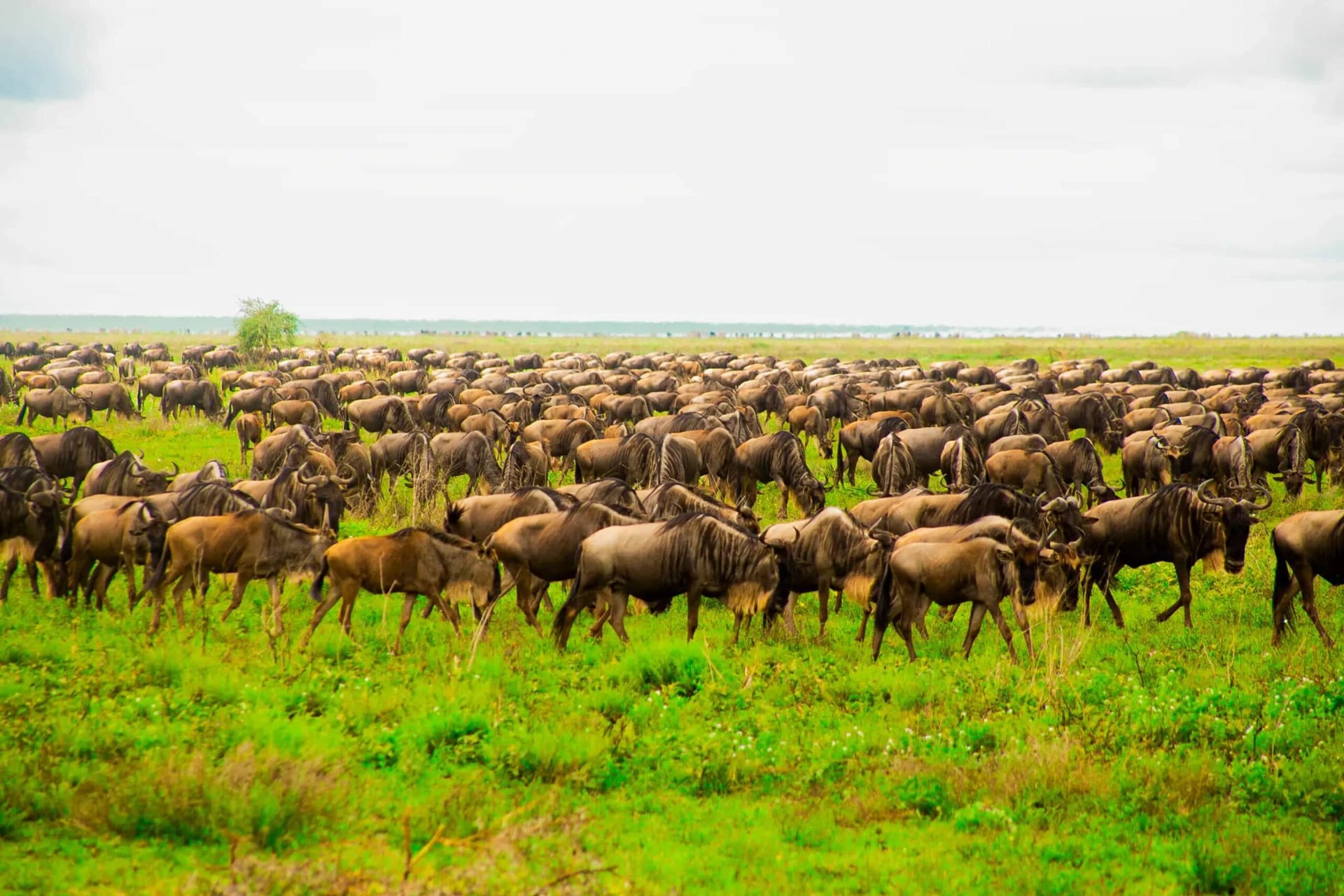
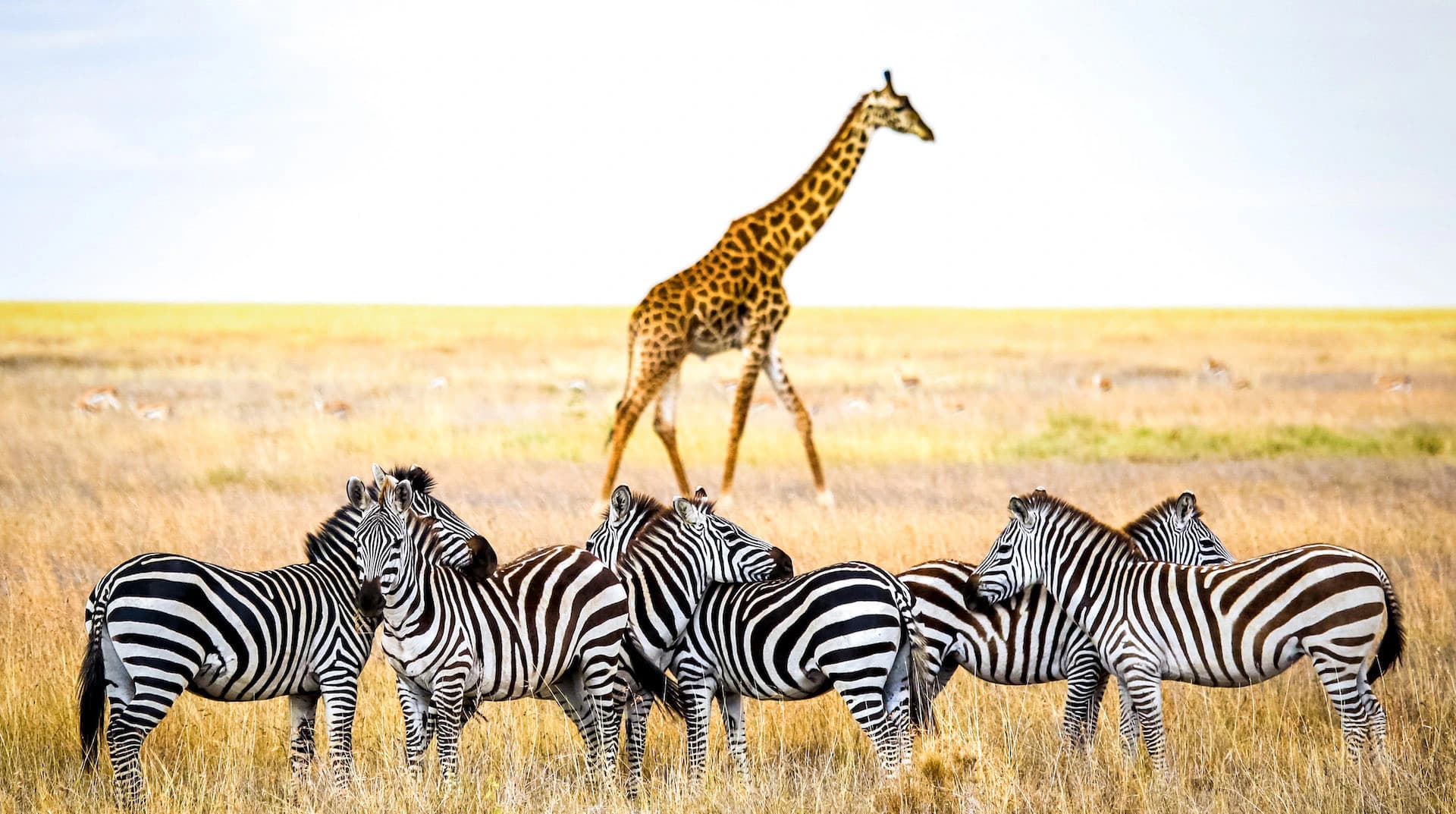
A Serengeti safari is a guided wildlife trip through Serengeti National Park, a 14,750 km² UNESCO site in northern Tanzania. It's home to the Great Migration of roughly 1.5 million wildebeest and 250,000 zebra. From Arusha, most trips spend 3 to 5 nights in the Serengeti and add Ngorongoro Crater and Tarangire on a 7 to 10 day Northern Circuit. Park fees in 2026 are $83 per adult per 24 hours (TANAPA fee schedule). A 5-day mid-range Northern Circuit safari usually costs $2,200 to $3,400 per person. Timing decides what you see. June to October is the dry season, and the Mara River crossings in the north usually run from July into October. December to March brings calving around Ndutu. April and May mean quiet roads and lower prices. Book direct with a TATO-registered operator in Arusha and there's no overseas agent's commission on top.
When to go
Great Migration, month by month
The herds never stop moving. This is where they usually are and what's happening. Rain shifts the dates every year, so check the migration tracker for the latest.
December to March
Where the herd is: Southern Serengeti / Ndutu
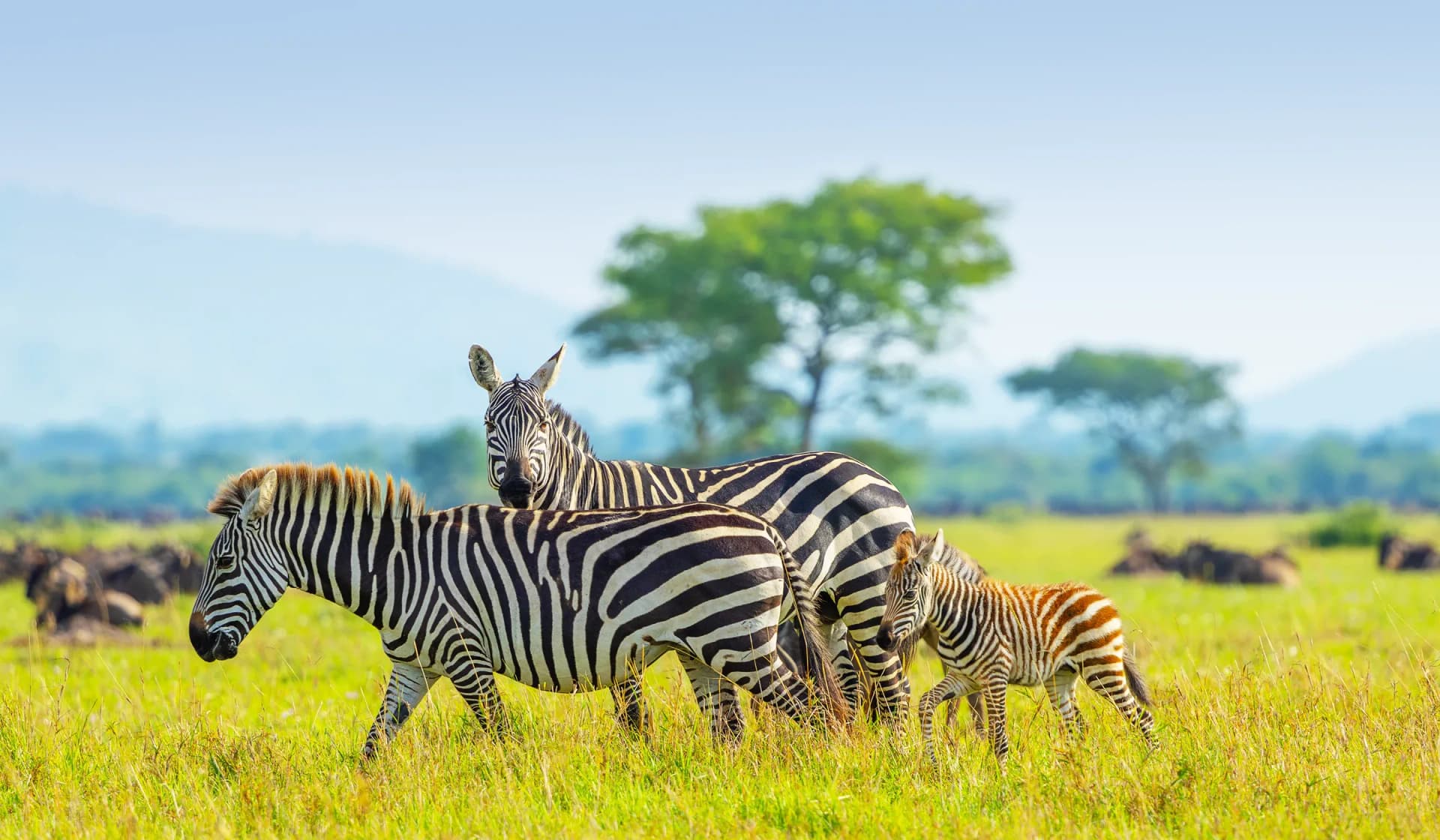
Calving season, with 8,000 calves born per day at peak. Predator action is non-stop.
April to May
Where the herd is: Central / Western Corridor
Herd moves north-west through long-grass plains. Quietest tourist months, with the best lodge deals.
June
Where the herd is: Western Corridor / Grumeti River
Grumeti River crossings. Fewer crowds than Mara crossings, equally dramatic.
July to September
Where the herd is: Northern Serengeti / Kogatende, Lamai
Mara River crossings. Peak season. Book lodges 6-9 months out.
October to November
Where the herd is: Northern → Central
Herd starts heading south as short rains return. Crossings still possible early October.
Where to stay
The four Serengeti regions
The Serengeti is too big for one trip. Pick the region that fits your dates and what you want to see. Most of our trips combine two.
Central Serengeti (Seronera)
The classic introduction. Open grassland, kopjes, and the Seronera River, with year-round resident wildlife and the best leopard sightings in Tanzania.
Best forFirst-time visitors · Big-cat viewing · Year-round wildlife
Read the park guideNorthern Serengeti (Kogatende, Lamai)
July to October home of the Mara River crossings. Quieter than the Mara Triangle in Kenya but the same wildebeest, same crocs, same drama.
Best forMigration crossings · July to October trips · Photographers
Read the park guideWestern Corridor (Grumeti)
May to July hub when the herd hits the Grumeti River. Grumeti Reserves border concession is one of East Africa's best-managed private wildlife areas.
Best forGrumeti crossings · Exclusive concessions · Avoiding crowds
Read the park guideSouthern Serengeti / Ndutu
Officially Ngorongoro Conservation Area, but ecologically Serengeti. December to March calving grounds, with the densest predator action of the year.
Best forCalving season · Predator behaviour · December to March trips
Read the park guide
Serengeti packages
Serengeti safaris we run
Every itinerary changes to suit you. These are starting points, not fixed group departures.
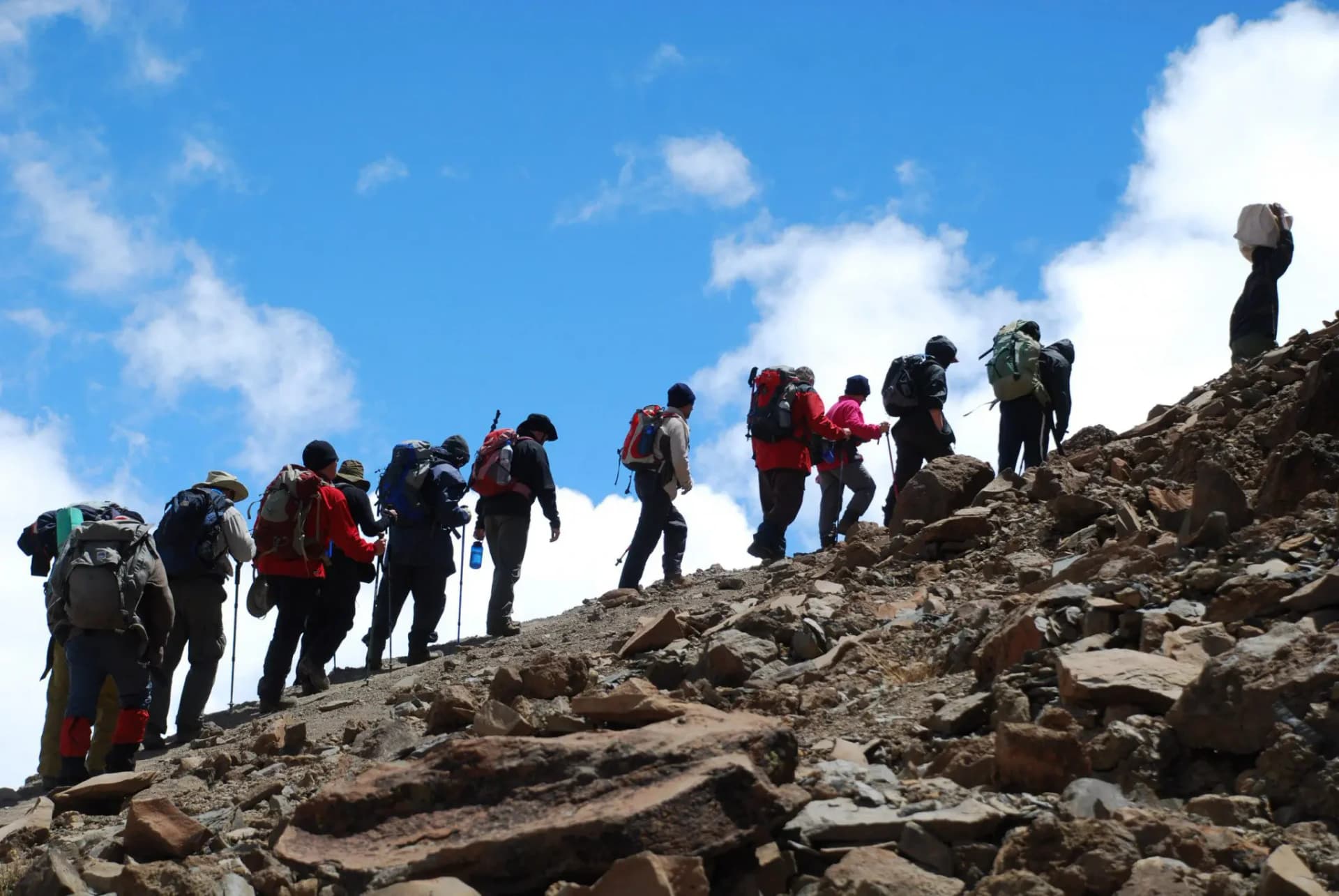
- 12 days · Adventure12-Day Kilimanjaro Climb & SafariThe ultimate Tanzania adventure: climb Mount Kilimanjaro via the scenic Machame Route, then recover with a 4-day safari through Tarangire, Serengeti, and Ngorongoro. Two bucket-list experiences in one incredible trip.Price on requestView itinerary
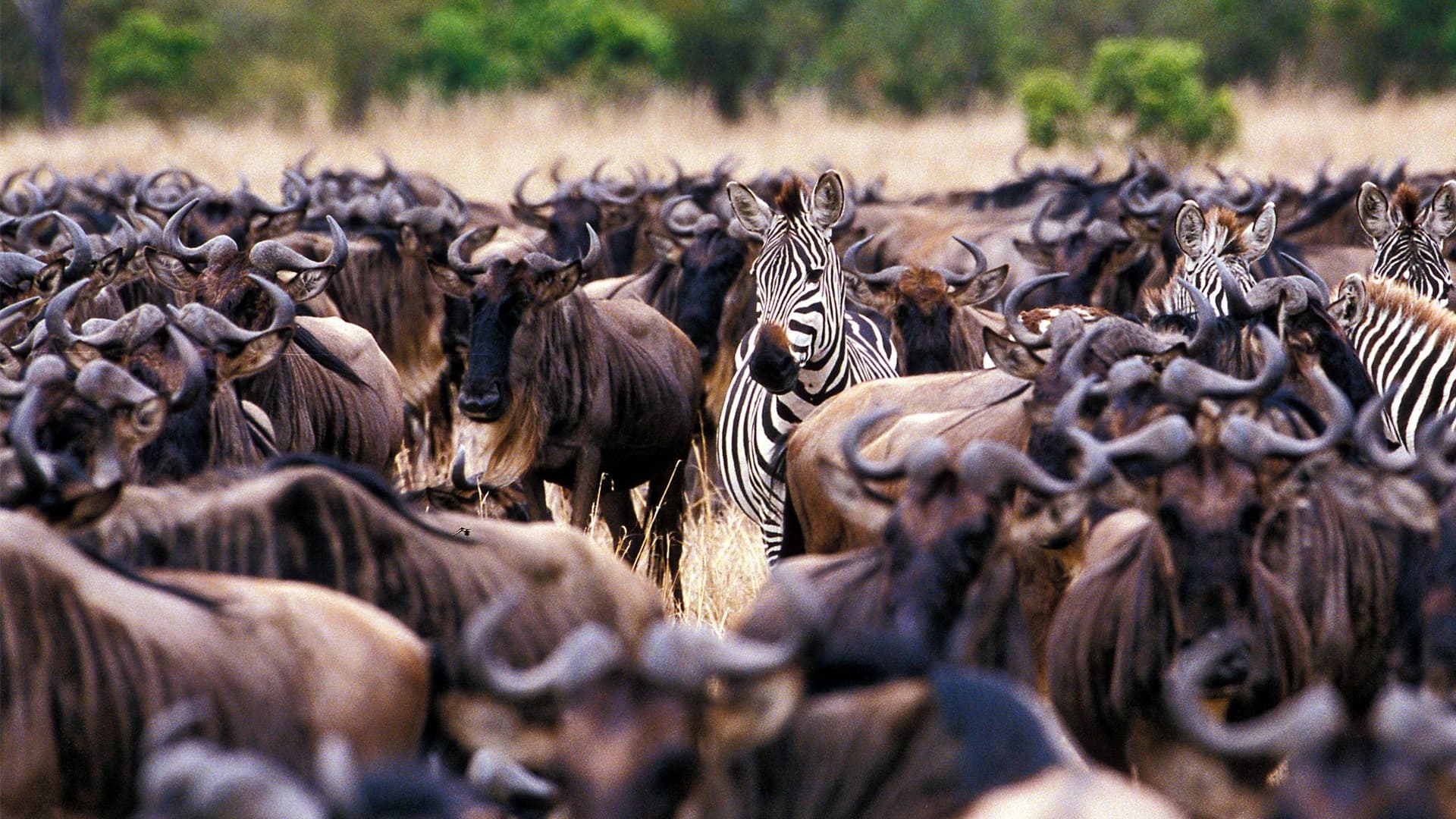
- 9 days · Migration9-Day Great Migration SafariFollow the great wildebeest migration across the Serengeti on this expert-guided safari. With 5 nights in the Serengeti positioned in the migration's path, this trip maximizes your chances of witnessing river crossings and predator action.From $6,800 ppView itinerary
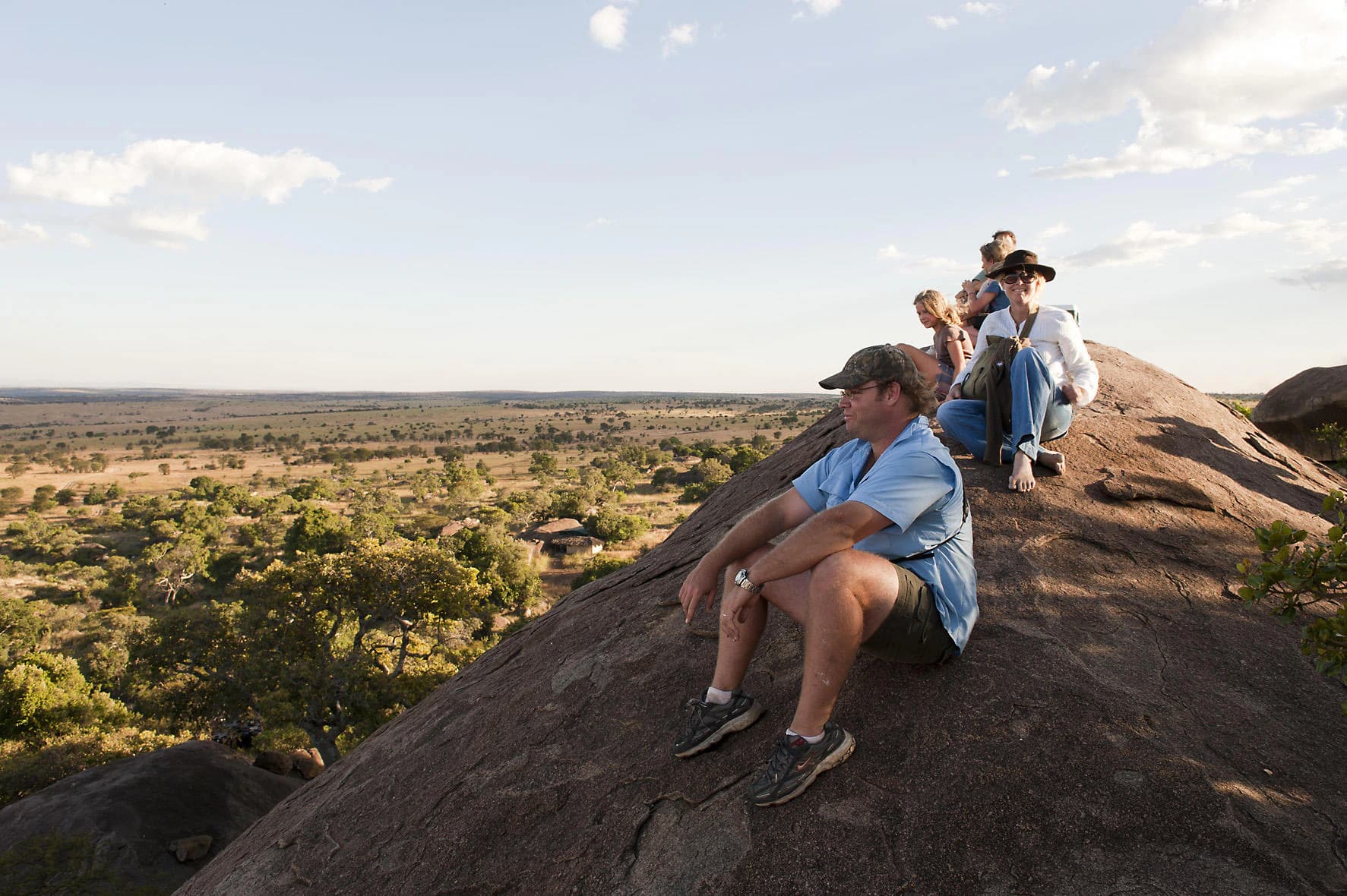
- 8 days · Family8-Day Family Safari AdventureCreate unforgettable family memories on this kid-friendly Tanzania safari. Designed for families with children ages 5+, this adventure features shorter drives, family-friendly lodges with swimming pools, and special activities that keep young explorers engaged.Price on requestView itinerary
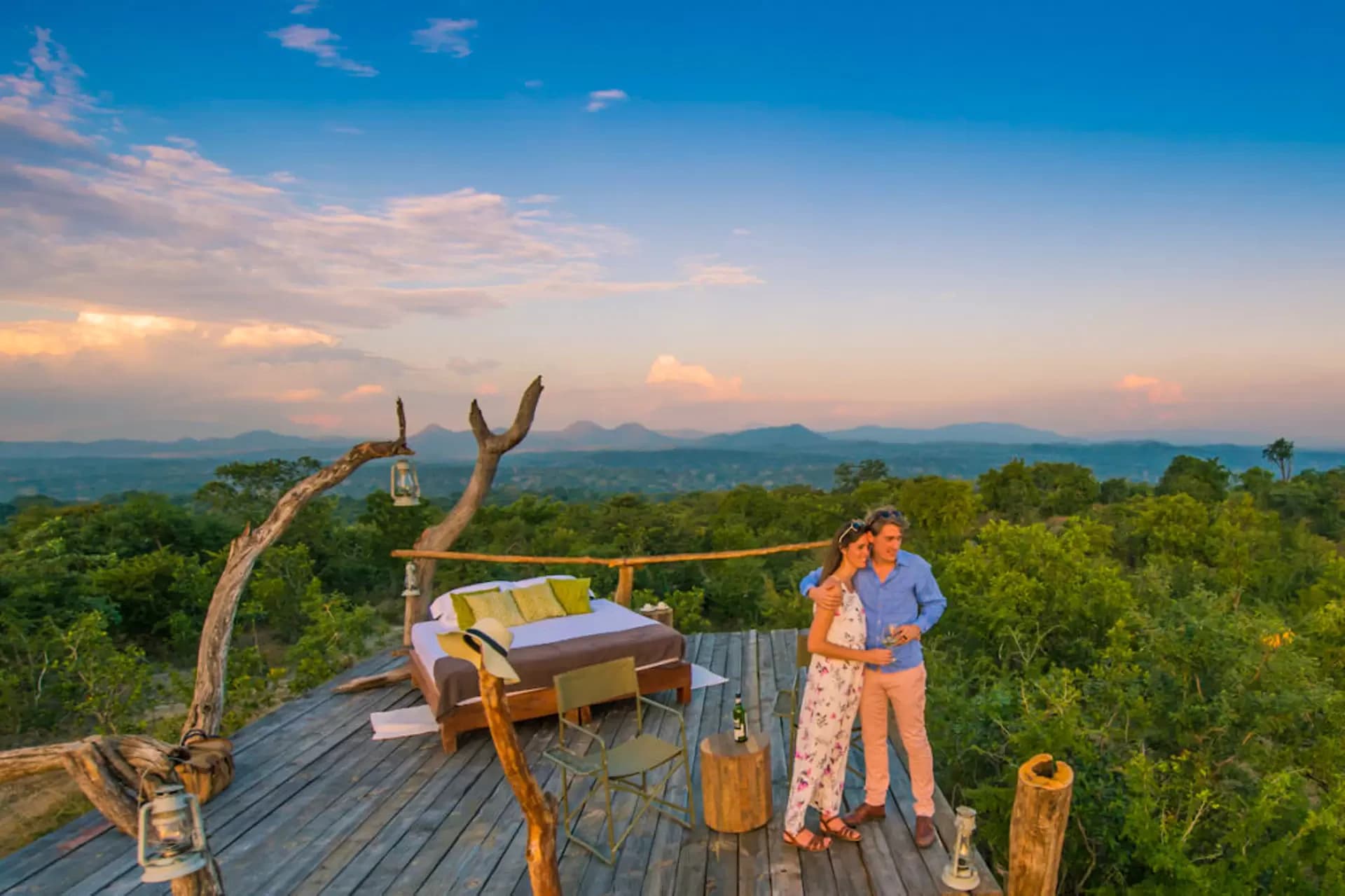
- 10 days · Honeymoon10-Day Honeymoon Safari & Zanzibar BeachThe perfect Tanzania honeymoon combines thrilling wildlife encounters with pristine tropical beaches. Enjoy 5 days of luxury safari in the Serengeti and Ngorongoro, then fly to Zanzibar for 4 nights of pure romance on white-sand beaches.Price on requestView itinerary
- 5 days · Wildlife5-Day Budget Tanzania SafariExperience the magic of Tanzania's Northern Circuit without breaking the bank. This camping safari visits Lake Manyara, Serengeti, and Ngorongoro Crater with professional guides and quality camping equipment. Perfect for backpackers and budget-conscious travelers.Price on requestView itinerary
- 7 days · Wildlife7-Day Classic Tanzania SafariOur most popular Tanzania safari takes you through the legendary Serengeti, the breathtaking Ngorongoro Crater, and elephant-rich Tarangire. Perfect for first-time visitors wanting to experience the best of Tanzania in one week.Price on requestView itinerary
- 10 days · Photography10-Day Wildlife Photography SafariDesigned for serious photographers, this safari features optimal timing for golden hour, extended time at key locations, and a vehicle configured for photography with bean bags, extra space, and charging stations.Price on requestView itinerary
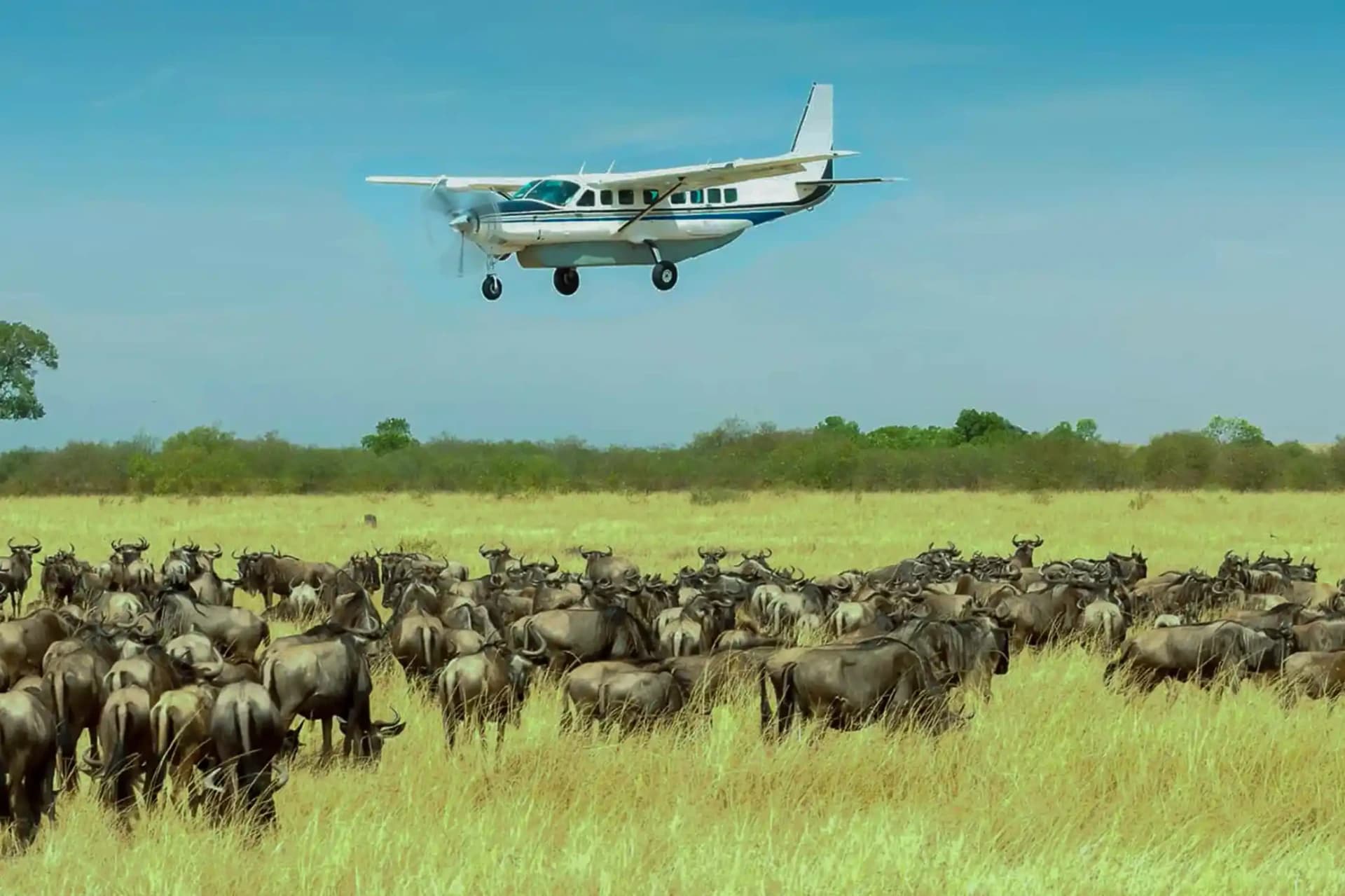
- 6 days · Luxury6-Day Luxury Fly-In SafariSkip the long drives and fly directly into the heart of the Serengeti. Stay at Tanzania's most exclusive lodges, enjoy private game drives, fine dining, and world-class service. This is safari at its most luxurious.Price on requestView itinerary
Why book direct
Arusha based, TATO registered, no middlemen
We plan and run trips from Arusha, the gateway to the Northern Circuit. You deal with the team that runs your safari.
- Guides who live here
- Your driver-guide is Tanzanian. Radio chatter is in Swahili, so they hear about a leopard sighting before you could.
- TATO registered
- We're members of the Tanzania Association of Tour Operators (opens in a new tab). You can check our listing on the TATO site.
- Built around you
- No fixed group departures. We plan every trip for your dates, budget, fitness and wish list, and we'll tell you when something doesn't fit.
Common questions
Serengeti safari FAQs
What is a Serengeti safari and what makes it different from other Tanzania parks?
A Serengeti safari is a guided wildlife tour through Serengeti National Park, a 14,750 km² ecosystem in northern Tanzania that hosts the annual Great Migration of about 1.5 million wildebeest and 250,000 zebra. Unlike Ngorongoro Crater (compact, contained) or Tarangire (elephant-focused), the Serengeti is sprawling and seasonal — what you see depends entirely on which region you visit and when. Most guests combine 3-5 days in Serengeti with Ngorongoro, Tarangire, or Lake Manyara on a 7-10 day Northern Circuit itinerary starting from Arusha.
What is the best time to visit the Serengeti?
June to October is the most popular window — dry weather, easier wildlife spotting, and Mara River crossings in the north (July–early October). January to March is excellent for calving in the south near Ndutu. April and May (long rains) offer 30-40% lower prices and lush landscapes; the wildlife is still there, you just get muddier roads and lighter crowds.
How much does a Serengeti safari cost?
Budget 3-day safaris start around $1,100 per person; 5-day mid-range Northern Circuit safaris (Tarangire + Ngorongoro + Serengeti) typically run $2,200–$3,400 per person. Luxury fly-in safaris from $5,000 per person upward. Park fees alone are $83/24h adult for Serengeti, $83/24h for Ngorongoro, plus a $295 per-vehicle Crater service fee. See our full Tanzania safari cost guide for itemised breakdowns.
How many days do I need in the Serengeti?
A minimum of 3 nights inside the park is what we recommend — anything shorter and you spend most of your time on transit roads. 4-5 nights lets you cover two regions (e.g., Central and Northern, or Central and Ndutu) and see a Mara crossing if you time it right.
Do I need to book a Serengeti safari with a Tanzania-based operator?
Booking direct with a TATO-registered local operator like us removes the overseas agent's commission. You also get faster decision-making in the field — when a leopard sighting comes through the radio, your guide can change plans without going through three agency layers.
Is the Serengeti safe?
Yes. Serengeti National Park is patrolled by TANAPA rangers, has controlled access points, and you are with a professional driver-guide in a 4x4 the entire time on game drives. Tanzania has been politically stable since 1961. Standard safari precautions apply: stay in the vehicle unless your guide confirms it's safe to step out, drink bottled water, and follow your camp's wildlife rules at night.
Can I see all of the Big Five in the Serengeti?
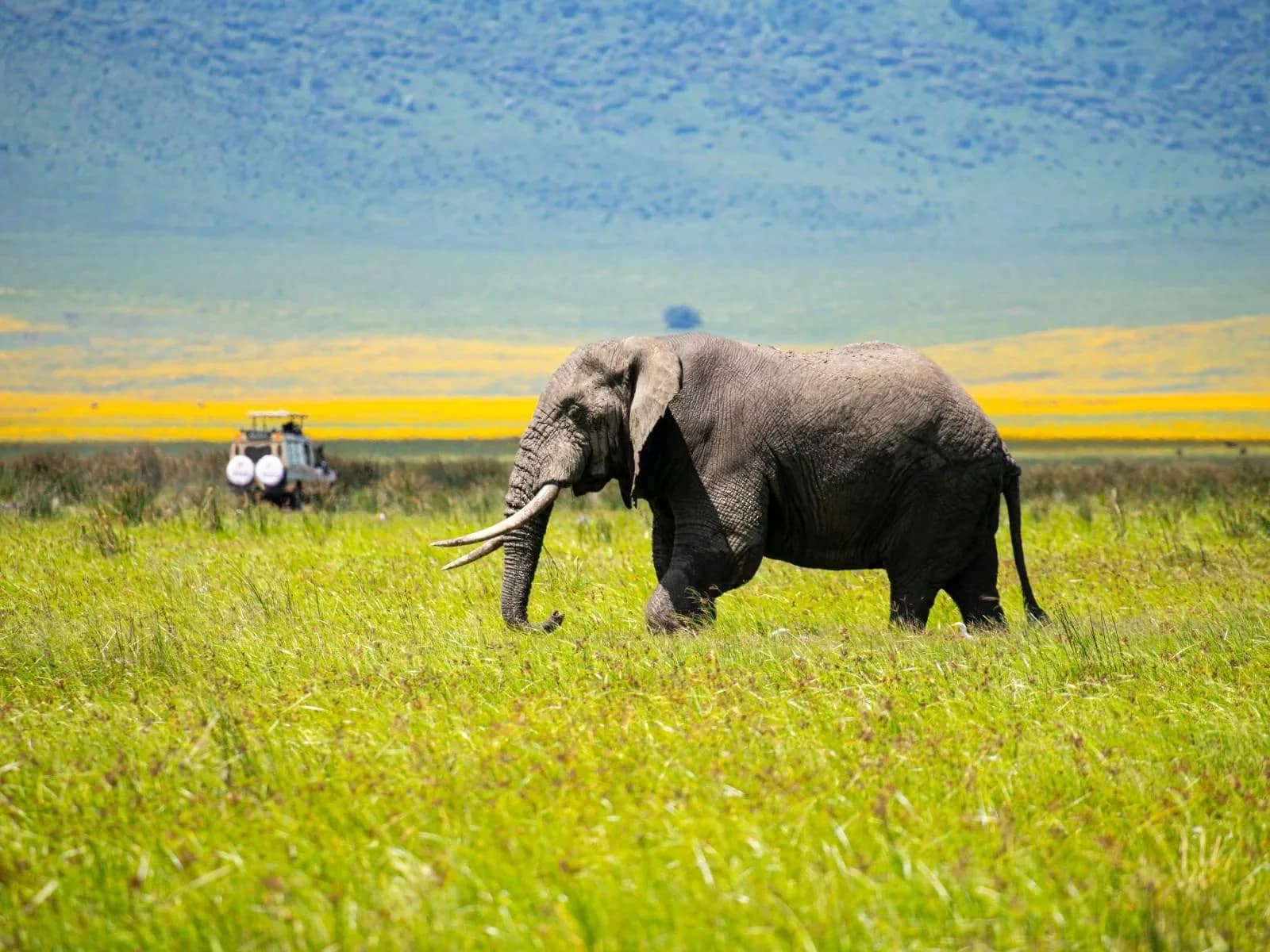
Lion, leopard, elephant, and buffalo — yes, regularly. Black rhino is the wild card; small populations exist around Moru Kopjes (central Serengeti) but sightings are rare. For your best chance at all five, add a day in Ngorongoro Crater, where roughly 26 black rhinos live in a 260 km² caldera.
What's the difference between Serengeti and Masai Mara?
Same ecosystem, different countries. Masai Mara is Kenya's 1,510 km² section; Serengeti is Tanzania's 14,750 km² section — about 10× larger. The Mara is more vehicle-dense during peak crossings; Serengeti is bigger, quieter, and most safaris combine it with Ngorongoro, which has no equivalent in Kenya. We work in Tanzania only and recommend Serengeti when scale and combination itineraries matter more than convenience flights into Nairobi.
Keep planning
Helpful guides for Serengeti travellers
- Great Migration calendarWhere the herds are each month across the Serengeti.
- Migration tracker mapSee where the herds usually are each month, on a map.
- Best time to visit TanzaniaSeasons, rain and wildlife, month by month.
- Safari cost guideWhat a day on safari costs and what pushes the price up or down.
- Serengeti park guideThe park where the migration happens, area by area.
- All safari packagesEvery published itinerary, from short trips to long ones.
Plan your Serengeti safari
Tell us your month. We'll pick the region.
Send your dates, party size and what you want to see. We come back with a costed itinerary within 24 hours. No obligation, no hard sell.
- Region matched to the month you travel
- Add Ngorongoro, Tarangire or Zanzibar
- One fixed price for the whole trip
Start planning your trip
Tell us a little about it and we'll come back with ideas and a quote.